Electric wheelchairs play a critical role in daily mobility, independence, and quality of life. At the core of every electric wheelchair is its battery system, which determines how far, how safely, and how reliably the wheelchair can operate. As a trusted brand among wheelchair batteries suppliers, JGNE provides durable and high-performance electric wheelchair battery solutions designed for long service life and consistent power output.
So, how long does an electric wheelchair battery last? The answer depends on several key factors, which we explain below.
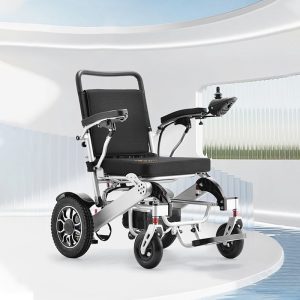
How Long Do Electric Wheelchair Batteries Last on Average?
On average, wheelchair batteries last between 1.5 and 3 years, depending on battery type, usage frequency, and maintenance habits.
Daily-use wheelchairs: 18–24 months
Moderate-use wheelchairs: 2–3 years
Well-maintained premium batteries: up to 3–4 years
In terms of daily range, a fully charged electric wheelchair typically travels 10–25 miles (16–40 km) per charge. High-quality wheelchair batteries from reliable manufacturers like JGNE are engineered to deliver stable voltage and consistent capacity throughout their lifespan.
Key Factors That Affect Wheelchair Battery Lifespan
Several variables directly influence how long an electric wheelchair battery will last:
1. Battery Type
The most common wheelchair battery types include:
Sealed Lead Acid (SLA / AGM / Gel): Affordable and reliable but shorter lifespan
Lithium batteries: Lighter, longer-lasting, and more efficient
Lithium-based electric wheelchair batteries can last 2–3 times longer than traditional lead-acid options.
2. Frequency of Use
Daily outdoor use, long distances, and frequent stops and starts put more strain on batteries than occasional indoor use.
3. User Weight and Terrain
Heavier loads, uphill routes, uneven roads, and rough surfaces increase energy consumption and accelerate battery wear.
4. Charging Habits
Improper charging—such as letting batteries fully discharge frequently—significantly shortens battery life.
5. Temperature and Storage Conditions
Extreme heat or cold reduces battery efficiency and accelerates aging. Proper storage plays a major role in longevity.
How to Extend the Life of Your Electric Wheelchair Battery
With the right care, you can significantly extend the service life of your battery.
1. Charge After Every Use
Even short trips should be followed by charging. Avoid deep discharges whenever possible.
2. Avoid Over-Discharging
Try not to let the battery drop below 20–30%. Deep discharge shortens cycle life.
3. Use the Correct Charger
Always use a charger compatible with your wheelchair battery’s voltage and chemistry. JGNE provides matched charging solutions to ensure safe and efficient charging.
4. Store Properly
If the wheelchair will not be used for an extended period, store the battery in a cool, dry environment and recharge it periodically.
5. Keep Connections Clean
Corrosion or loose terminals can cause power loss and uneven charging, reducing battery performance over time.
Frequently Asked Questions About Wheelchair Batteries
1. When should an electric wheelchair battery be replaced?
You should replace the battery if:
Driving range is significantly reduced
Charging time increases noticeably
The battery fails to hold a full charge
Most users replace wheelchair batteries every 2–3 years.
2. Can wheelchair batteries be overcharged?
Modern batteries with built-in protection are resistant to overcharging. However, low-quality chargers or outdated batteries can still be damaged. Choosing products from experienced wheelchair batteries suppliers like JGNE reduces this risk.
3. Is it better to use lithium or lead-acid wheelchair batteries?
Lithium batteries offer:
Longer lifespan
Lighter weight
Faster charging
Better performance over time
Lead-acid batteries remain cost-effective, but lithium is increasingly preferred for long-term use.
4. Should I replace both wheelchair batteries at the same time?
Yes. Replacing only one battery can cause imbalance, leading to uneven discharge and reduced overall performance.
5. How can I tell if my battery is losing capacity?
Shorter driving distance, slower acceleration, and frequent low-battery warnings are common signs.
Additional Value for Users: Choosing a Reliable Supplier
Beyond battery care, choosing the right supplier matters just as much. Reputable brands like JGNE, with experience as professional wheelchair batteries suppliers, offer:
Stable quality control
Certified safety standards
Consistent performance across batches
Long-term supply reliability
This is especially important for medical equipment where safety and reliability are non-negotiable.
Conclusion
So, how long does an electric wheelchair battery last? With proper use, correct charging habits, and a high-quality product, users can expect reliable performance for several years. By choosing trusted electric wheelchair battery solutions from JGNE, users gain longer lifespan, safer operation, and greater peace of mind—whether for daily mobility or long-term medical use.